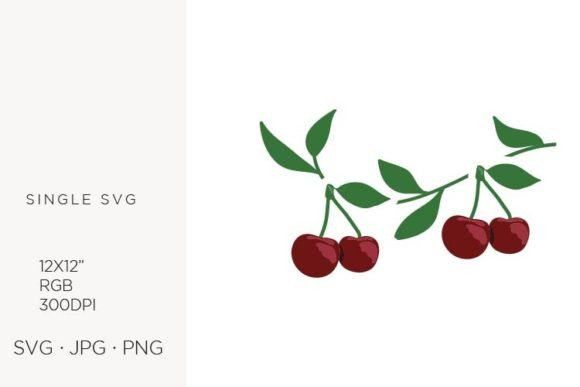
Cherry Branch with Leaves, Frame: A Versatile Vector Asset for Modern Design Projects
In the vast ecosystem of digital design resources, finding assets that balance aesthetic appeal with technical flexibility is a constant challenge for creatives. The Cherry Branch with Leaves, Frame represents a specific category of vector-based graphics that bridges the gap between organic botanical illustration and structured layout design. Unlike raster images that degrade when resized, this asset is built on mathematical paths, ensuring crisp edges at any scale. Understanding the nuances of such a resource—its file formats, resolution capabilities, and practical applications—is essential for designers, crafters, and business owners who need reliable visual elements for diverse projects.
Understanding the Technical Foundation
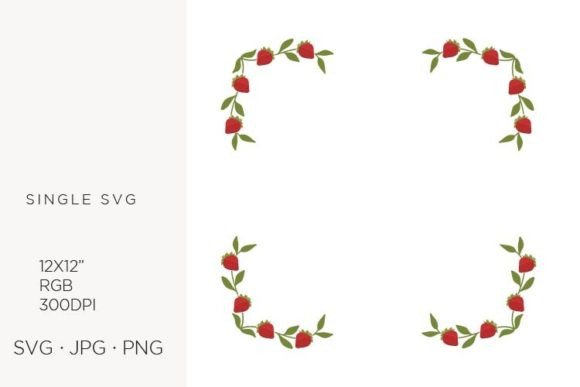
The core value of the Cherry Branch with Leaves, Frame lies in its construction. Created using Adobe Illustrator 10, a foundational version of industry-standard software, this graphic ensures broad compatibility across various design platforms. The artboard size of 12 x 12 inches provides a square canvas that is ideal for social media posts, sticker designs, and symmetrical layouts. However, the true power of this asset is its vector nature.
Vector graphics differ significantly from pixel-based images. While a standard photograph might become pixelated if enlarged beyond its original dimensions, a vector file like this cherry branch illustration can be scaled infinitely without loss of quality. This is particularly important for users who may need to print the design on large formats, such as wall art or banners, as well as small items like jewelry tags or business cards. The resolution of 300 DPI (dots per inch) in the RGB color palette further ensures that when the vector is rasterized for web use or specific print requirements, the output remains sharp and vibrant.
File Format Diversity and Compatibility
One of the most critical aspects of evaluating digital assets is the range of file formats provided. This package includes SVG, EPS, AI, JPG, and PNG files, each serving a distinct purpose in the design workflow:
- SVG (Scalable Vector Graphics): Ideal for web design and responsive layouts. SVGs are code-based, making them lightweight and easily editable via CSS or JavaScript for interactive websites.
- EPS (Encapsulated PostScript): A universal vector format compatible with many non-Adobe programs. It is often preferred by professional printing services for high-quality output.
- AI (Adobe Illustrator): The native format allows for deep editing of anchor points, colors, and layers within Illustrator, offering maximum control for customizations.
- JPG and PNG: These raster formats are ready-to-use for quick projects. PNGs support transparency, which is crucial for overlaying the cherry branch onto colored backgrounds or photographs without a white box around the image.
Having access to all these formats eliminates the need for conversion tools, which can sometimes introduce errors or reduce quality. For a user comparing different digital downloads, this comprehensive format support is a significant advantage over packages that offer only a single file type.
Comparing Vector Botanicals to Other Design Approaches
When deciding whether to use a pre-made vector like the Cherry Branch with Leaves, Frame, it is helpful to compare it with alternative sources of imagery. Photographs of real cherry blossoms, for instance, offer unparalleled realism and texture. However, they come with limitations regarding lighting consistency, background removal, and scalability. A photo may require extensive editing in Photoshop to isolate the branch, whereas the vector clipart is already isolated and clean.
Similarly, hand-drawn sketches provide a unique, personal touch but lack the precision and editability of vector art. If a designer needs to change the color of the leaves from green to autumn orange, a vector file allows this change in seconds through global color adjustments. In contrast, altering colors in a raster image or photograph often requires complex masking and selection techniques that can look unnatural if not executed perfectly.
Another alternative is hiring a custom illustrator. While this yields a completely unique result, it is time-consuming and expensive. For projects with tight budgets or deadlines, such as party decorations or seasonal stationery, using a high-quality stock vector offers a pragmatic balance between professionalism and efficiency. The Cherry Branch with Leaves, Frame serves as a middle ground: it is more polished than a rough sketch but more flexible and cost-effective than a custom commission.
Practical Applications and Use Cases
The versatility of this digital graphic extends far beyond simple document decoration. Its structured frame element combined with organic branches makes it suitable for a wide array of creative endeavors. Here are several realistic scenarios where this asset adds value:
- Branding and Logo Design: Small businesses in the beauty, wellness, or boutique sectors often seek nature-inspired logos. The clean lines of the vector allow for simplification, enabling designers to extract just the branch or the frame to create a minimalist mark.
- Wedding and Event Stationery: Invitations, save-the-dates, and menus benefit from elegant floral borders. The 12x12 aspect ratio fits well with square invitation cards, and the vector format ensures that text placed within the frame remains legible and sharp.
- Handmade Crafts and Print-on-Demand: Crafters using cutting machines like Cricut or Silhouette can import the SVG file directly. This allows for precise cutting of vinyl decals, paper layers, or heat transfer materials for t-shirts and tote bags.
- Digital Marketing Assets: Social media managers can use the PNG files with transparent backgrounds to overlay the cherry branch on promotional graphics, creating a cohesive seasonal theme without needing advanced design skills.
Evaluating Limitations and Decision Factors
While the Cherry Branch with Leaves, Frame offers numerous benefits, it is not a one-size-fits-all solution. Designers must consider certain tradeoffs. First, because it is a stylized vector illustration, it lacks the photographic detail of real life. If a project demands hyper-realism, such as a scientific botanical journal or a high-end photography portfolio, this asset may appear too simplified.
Additionally, the popularity of stock vectors means that other designers may have access to similar elements. To maintain brand uniqueness, users should customize the asset by adjusting colors, combining it with other graphics, or modifying the composition. Relying on the default appearance without modification can result in generic-looking designs that fail to stand out in a crowded market.
Another factor is the learning curve associated with vector editing. While the JPG and PNG files are plug-and-play, utilizing the AI, EPS, or SVG formats requires familiarity with vector software. Users who are uncomfortable with tools like Adobe Illustrator or Inkscape may find themselves limited to the raster versions, thereby missing out on the scalability benefits. For these users, investing time in learning basic vector manipulation or hiring a designer for minor tweaks might be necessary to fully leverage the asset.
Making an Informed Choice
Choosing the right digital resource depends largely on the specific requirements of your project. If you need quick, ready-to-print materials for a local event, the included high-resolution JPGs may suffice. However, if you are building a scalable brand identity or creating products in various sizes, the vector files are indispensable.
Consider the end-use environment. For web-based projects, prioritize the SVG format for performance and clarity. For physical products like jewelry or printed paper items, ensure you utilize the 300 DPI settings when exporting from the vector source to maintain print quality. By understanding the strengths of the Cherry Branch with Leaves, Frame and aligning them with your project goals, you can create professional, polished designs efficiently. This asset serves as a robust foundation, offering the flexibility to adapt to evolving design trends while maintaining a timeless aesthetic appeal.