Mastering Digital Design with High-Resolution Grass and Vector Backgrounds
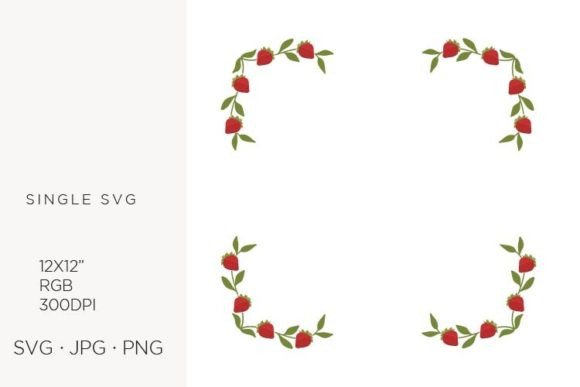
In the rapidly evolving landscape of digital design, the quality of your foundational assets determines the ceiling of your creative potential. Whether you are a seasoned graphic designer or a hobbyist crafting handmade cards, starting with premium resources is non-negotiable. One such essential resource is the Grass, Vector Background. This specific type of digital asset combines organic aesthetic appeal with the technical precision of vector graphics, offering unparalleled versatility for a wide array of projects. When sourced correctly—specifically as files created in professional vector programs like Adobe Illustrator with an artboard size of 12 x 12 inches, a resolution of 300 DPI, and an RGB color palette—these elements become the backbone of stunning visual communication.
The Technical Advantage of Vector-Based Nature Elements
Understanding why a vector format is superior for nature-themed designs requires a brief look at how digital images are constructed. Unlike raster images, which are made of pixels and can become blurry when enlarged, vectors are defined by mathematical paths. This means that a grass texture or leaf pattern can be scaled from the size of a business card to a massive wall mural without losing a single detail. When you utilize a Grass, Vector Background that has been meticulously crafted in Adobe Illustrator, you are gaining access to infinite scalability.
The specifications mentioned—12 x 12 artboard size and 300 DPI—are critical for print readiness. While vectors themselves do not have a fixed resolution, exporting them at 300 DPI ensures that any rasterized effects or shadows included in the design remain crisp when printed. The RGB color palette is ideal for digital displays, ensuring that the vibrant greens of the grass pop on screens, while also providing a solid base for conversion to CMYK if physical printing is required later. Having these files available in both SVG and JPG formats offers the best of both worlds: SVG for web and scalable editing, and JPG for quick previews and universal compatibility.
Versatility Across Creative Industries
The true power of these digital graphics elements lies in their adaptability. They are not limited to a single niche but serve as fundamental building blocks across various creative disciplines. Let us explore how these assets fit into modern workflows.
- Logo Design: For eco-friendly brands, organic farms, or landscaping companies, a stylized grass element can form the core of a memorable logo. The clean lines of a vector allow for easy manipulation, enabling designers to integrate the grass motif with typography seamlessly.
- Wall Art and Home Decor: The trend of bringing the outdoors in has never been stronger. High-resolution grass vectors can be used to create large-scale prints, canvas wraps, or even vinyl decals. The 12 x 12 inch base size allows for easy tiling or expansion to fit standard frame dimensions.
- Stationery and Invitations: Wedding invitations, baby shower announcements, and birthday cards often benefit from subtle, natural textures. A delicate grass border or background adds a touch of elegance and warmth without overwhelming the text. The precision of vector art ensures that fine lines print clearly, even on textured paper stocks.
Enhancing Handmade Crafts and Physical Products
Digital design does not exist in a vacuum; it increasingly intersects with the physical world of handmade crafts. Artists who create jewelry, printed paper items, or party decor can leverage these Grass, Vector Background files to elevate their products. For instance, a jeweler might use the silhouette of grass blades as a template for laser-cutting metal or wood pendants. The vector path provides the exact cut line needed for machinery, reducing waste and ensuring precision.
Similarly, creators of handmade cards and announcements can print these designs onto high-quality cardstock. Because the files are prepared at 300 DPI, the output will be sharp and professional, distinguishing handmade items from mass-produced alternatives. The ability to recolor the vector elements easily means that a single grass design can be adapted for spring pastels, summer vibrancy, or autumn earth tones, maximizing the utility of a single purchase.
Web and Graphic Design Applications
In the realm of web design, load times and clarity are paramount. SVG files, which are part of this package, are incredibly lightweight compared to high-resolution photographs. Using an SVG grass background for a website header or section divider ensures that the site remains fast while still looking lush and inviting. Furthermore, because SVGs are code-based, they can be animated with CSS or JavaScript, allowing for interactive experiences where grass might sway gently in the digital wind.
For graphic designers working on brochures, flyers, or packaging, the JPG versions provide a quick drop-in solution for backgrounds. The RGB color profile ensures that colors appear consistent across different monitors during the client approval process. This consistency is crucial for maintaining brand integrity and avoiding costly reprint errors due to color mismatches.
Practical Considerations for Choosing Digital Assets
When selecting a Grass, Vector Background for your next project, there are several factors to consider beyond just the visual appeal. First, examine the complexity of the vector paths. Overly complex vectors can slow down design software, especially when multiple instances are used. Look for files that balance detail with efficiency. The fact that these files are made in Adobe Illustrator suggests a professional standard of organization, with named layers and grouped elements that make editing intuitive.
Second, consider the style of the grass. Is it realistic, stylized, or abstract? A realistic style might suit a botanical journal or a nature documentary poster, while a stylized, flat design might be better suited for modern app interfaces or minimalist stationery. The versatility of having both SVG and JPG formats allows you to test different styles in your mockups before committing to a final direction.
Third, think about licensing and usage rights. Ensure that the digital graphics elements you acquire allow for commercial use if you intend to sell products featuring the design. Most professional marketplaces offer clear licenses, but it is always wise to double-check. The ability to use these elements for everything from jewelry to web design implies a broad commercial license, which adds significant value to the asset.
Integrating Nature into Modern Workflows
The integration of natural elements like grass into digital design reflects a broader cultural shift towards sustainability and mindfulness. Consumers are drawn to brands and products that evoke a sense of calm and connection to the earth. By using a Grass, Vector Background, designers can tap into this emotional resonance. It is not just about aesthetics; it is about communicating values.
Moreover, the efficiency of using pre-made vector assets cannot be overstated. In a fast-paced industry, starting from scratch for every project is unsustainable. Having a library of high-quality, versatile backgrounds allows designers to focus on composition, typography, and messaging rather than spending hours drawing individual blades of grass. This efficiency translates to faster turnaround times for clients and more time for creative experimentation.
Whether you are designing a intricate invitation suite or a bold web banner, the foundation matters. A well-crafted Grass, Vector Background provides that foundation. With its technical robustness, artistic flexibility, and broad applicability, it stands as an indispensable tool in the modern designer’s toolkit. From the initial sketch in Adobe Illustrator to the final printed product or live website, these elements ensure that your vision is executed with precision and beauty. Embrace the blend of nature and technology, and let your designs grow.