Creative Avocado: Integrating Playful Vector Assets into Professional Design Workflows
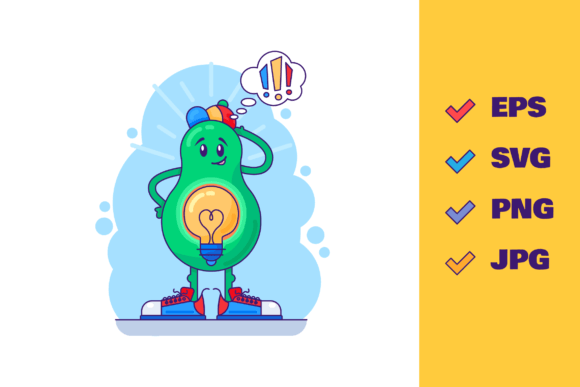
In the modern digital landscape, visual communication is not merely about aesthetics; it is a functional component of user engagement and brand identity. The Creative Avocado Concept Illustration represents a specific niche within this broader ecosystem: the intersection of whimsical character design and professional utility. This asset, featuring a thinking, stylish avocado equipped with an electric lamp, cap, and sporty sneakers, is rendered in a cartoon flat outline style. While the subject matter appears lighthearted, its application in professional workflows is serious. For designers, marketers, and content creators, integrating such vector illustrations requires a strategic approach to ensure consistency, scalability, and relevance across various media channels.
Understanding how to leverage this type of asset involves more than simply dragging and dropping an image into a layout. It requires a clear understanding of file formats, compatibility with existing design systems, and the psychological impact of visual metaphors in communication. This guide explores the practical implementation of the Creative Avocado illustration, detailing how it fits into pre-production planning, active design execution, and long-term brand asset management.
Strategic Placement in the Content Lifecycle
The decision to use a specific visual asset like the Creative Avocado should align with the stage of your project lifecycle. Whether you are in the ideation phase, finalizing a marketing campaign, or updating educational materials, the context determines the effectiveness of the illustration.
Pre-Production and Ideation
During the early stages of a project, particularly for blogs, social media campaigns, or educational courses, visuals serve as anchors for conceptual thinking. The imagery of an avocado "thinking" with an electric lamp is a direct visual metaphor for innovation, brainstorming, and bright ideas. Using this asset in mood boards or initial mockups can help stakeholders visualize the tone of the project. It signals a departure from sterile corporate imagery toward a more approachable, human-centric, and creative narrative. This sets the expectation for content that is both informative and engaging.
Active Design and Execution
Once the project moves into production, the Creative Avocado illustration functions as a versatile design element. Its flat outline style ensures that it does not overpower text but rather complements it. In web design, such illustrations are often used to break up long blocks of text, reducing cognitive load for the reader. In social media stories or posts, the character’s sporty sneakers and cap add a layer of personality that resonates with younger demographics or brands aiming for a casual, energetic voice. The key here is integration; the illustration must feel like a native part of the layout, not an afterthought.
Post-Launch and Repurposing
After the initial launch, high-quality vector assets retain their value through repurposing. The same illustration used in a blog header can be adapted for a newsletter icon, a presentation slide, or even printed merchandise. Because the Creative Avocado Concept Illustration is provided in multiple formats, it supports this multi-channel distribution without quality loss. This longevity makes it a cost-effective addition to any designer’s library, reducing the need to commission new artwork for every minor update.
Technical Integration and File Format Optimization
The utility of any digital asset is heavily dependent on its technical specifications. The Creative Avocado package includes four distinct file types: EPS, SVG, PNG, and JPG. Understanding when to use each format is crucial for maintaining workflow efficiency and output quality.
- EPS (Encapsulated PostScript): This is the industry standard for print production. If you are designing brochures, posters, or large-format banners, the EPS file ensures that the vector paths remain crisp at any size. It is compatible with professional software like Adobe Illustrator and InDesign, allowing for deep customization of colors and strokes if needed.
- SVG (Scalable Vector Graphics): For web and app development, SVG is the superior choice. It offers infinite scalability without pixelation and typically has a smaller file size compared to raster images. The transparent background feature of the included SVG file allows seamless integration into responsive websites, ensuring the illustration looks sharp on both mobile devices and 4K monitors.
- PNG (Portable Network Graphics): When working with platforms that do not support vector files, such as certain social media schedulers or basic word processors, the PNG file is essential. The transparent background ensures that the illustration can be placed over colored backgrounds or photographic images without unsightly white boxes around the edges.
- JPG (Joint Photographic Experts Group): This format is best suited for quick previews or contexts where transparency is not required. It is widely compatible but should be used cautiously in design work due to potential compression artifacts and the lack of a transparent background.
By selecting the appropriate format for each specific task, professionals can streamline their workflow, reduce loading times for web projects, and ensure high-fidelity output for print materials.
Enhancing Brand Consistency and Visual Identity
One of the challenges in using third-party assets is maintaining brand consistency. The Creative Avocado illustration, with its specific color palette and line weight, must be harmonized with your existing brand guidelines. This process involves several practical steps.
First, analyze the color scheme. The flat outline style typically uses bold, solid colors. If your brand colors differ, you may need to edit the vector files (EPS or SVG) to match your primary and secondary brand colors. This customization ensures that the avocado feels like an intrinsic part of your visual identity rather than a generic stock image. Second, consider the line weight. If your other icons and illustrations use thin lines, ensure the avocado’s outlines are adjusted to match. Consistency in stroke width creates a cohesive visual language that enhances professional perception.
Furthermore, the character’s attributes—the cap, sneakers, and lamp—can be leveraged to reinforce brand values. For a tech startup, the lamp symbolizes innovation. For a fitness brand, the sneakers highlight activity. For an educational platform, the thinking pose emphasizes learning. By contextualizing these elements in your copy and layout, you create a stronger narrative connection between the visual and your message.
Practical Workflow Tips for Designers and Marketers
To maximize the value of the Creative Avocado Concept Illustration, consider implementing the following workflow practices:
- Asset Organization: Store all four file types in a dedicated folder within your digital asset management system. Label them clearly (e.g., "Avocado_Icon_EPS," "Avocado_Web_SVG") to reduce search time during urgent projects.
- Layer Management: When opening the EPS or SVG files in design software, keep the elements on separate layers if possible. This allows for easy animation later, such as making the light bulb flicker or the avocado bounce, which can increase engagement in digital ads.
- Accessibility Checks: Ensure that the contrast between the illustration and the background meets accessibility standards. If placing the avocado on a dark background, verify that the outline colors are sufficiently bright to be distinguishable for users with visual impairments.
- A/B Testing: In marketing campaigns, test variations of the layout. Compare performance metrics when the illustration is used as a hero image versus a supporting element. Data-driven insights will help you determine the most effective placement for your specific audience.
Long-Term Value and Scalability
Investing in high-quality vector illustrations like the Creative Avocado is a strategic move for long-term content strategy. Unlike photographic assets, which can date quickly or require expensive reshoots, vector graphics remain timeless and easily adaptable. As your business grows, you can expand this concept by creating a series of characters or scenarios using the same style. This builds a recognizable visual library that strengthens brand recall.
Moreover, the versatility of the flat outline style ensures compatibility with emerging design trends. Whether minimalism continues to dominate or new styles emerge, clean vector art remains a foundational element of modern design. By integrating such assets thoughtfully, professionals can enhance their creative output, improve communication efficiency, and maintain a polished, professional appearance across all touchpoints.
In conclusion, the Creative Avocado Concept Illustration is more than a decorative element; it is a functional tool in the designer’s arsenal. By understanding its technical specifications, strategic placement, and potential for customization, you can seamlessly integrate it into your workflows. This approach not only elevates the visual quality of your projects but also supports clearer, more engaging communication with your audience.