Integrating Native American Arrow, Wild Vector Assets into Professional Creative Workflows
In the landscape of modern digital design, the efficiency of your asset library directly correlates with the speed and quality of your output. Whether you are a freelance graphic designer, a small business owner managing your own branding, or an educator creating engaging materials, the resources you choose must be versatile, high-quality, and technically sound. This is where specific thematic elements, such as Native American Arrow, Wild clipart, become more than just decorative images; they become functional components of a broader creative process. By understanding how to leverage these vector-based graphics effectively, creators can streamline their workflows across various mediums, from web design to physical product manufacturing.
Understanding the Technical Foundation
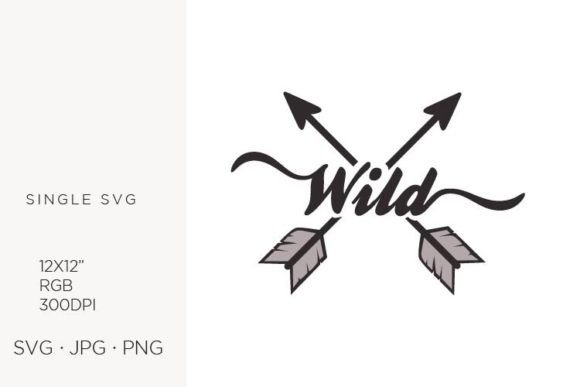
Before integrating any graphic element into a project, it is crucial to understand its technical specifications. The Native American Arrow, Wild collection is built on a foundation of professional-grade standards. Each file is crafted in Adobe Illustrator, ensuring that the core data remains vector-based. This distinction is vital for scalability. Unlike raster images that pixelate when enlarged, vector graphics use mathematical paths to define shapes, allowing for infinite resizing without loss of clarity.
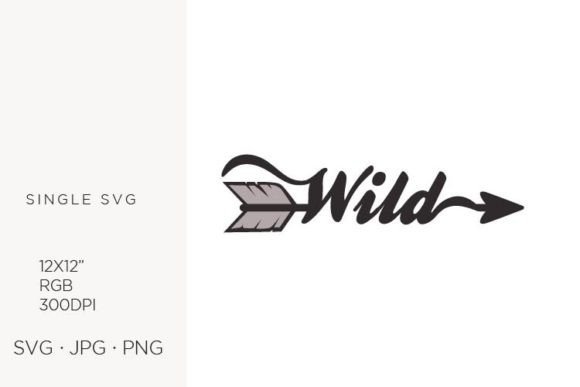
The artboard size is set at 12 x 12 inches with a resolution of 300 DPI in the RGB color palette. This specific configuration serves multiple purposes. The 300 DPI standard ensures that when these vectors are rasterized for print purposes, the output remains crisp and professional. The RGB color mode is optimized for digital screens, making these assets immediately ready for web use, social media graphics, and digital presentations. However, because they originate from a vector program, converting them to CMYK for offset printing is a straightforward process within most design software, preserving color integrity across different media.
The available file formats—SVG, JPG, and PNG—provide flexibility for different stages of the production pipeline. SVG files are ideal for web developers and designers who need scalable icons that load quickly and remain sharp on retina displays. JPGs offer a lightweight option for quick previews or non-transparent backgrounds, while PNGs provide transparency support, essential for layering graphics over complex backgrounds in invitations, posters, or website headers.
Strategic Integration in Branding and Identity Design
For entrepreneurs and marketers, consistency is key to building brand recognition. The Native American Arrow, Wild elements can serve as foundational motifs in logo design and brand identity systems. When used in this context, the arrow symbolizes direction, progress, and strength, aligning well with businesses focused on growth, outdoor industries, or cultural heritage projects.
To implement these assets effectively, start by isolating specific components of the vector file. Since the graphics are made in Adobe Illustrator, you can ungroup elements and recolor them to match your brand’s specific hex codes. This level of customization ensures that the clipart does not look generic but rather feels bespoke to your company. Use the SVG format to embed these logos directly into your website’s code, ensuring they render perfectly on all devices, from mobile phones to large desktop monitors.
Consider the workflow of a rebranding project. During the initial concept phase, use the JPG versions to create mood boards and present options to stakeholders. Once a direction is chosen, switch to the vector source files to refine the logo, adjust kerning, and integrate the arrow motif with typography. This phased approach saves time and allows for rapid iteration without compromising final quality.
Enhancing Print Media and Stationery
The transition from digital screen to physical paper requires careful attention to detail. The Native American Arrow, Wild graphics are particularly well-suited for printed paper items, stationery, and handmade cards. The 300 DPI resolution ensures that fine lines and intricate details of the arrow designs remain sharp when printed on cardstock, textured paper, or vinyl.
For those creating invitations or announcements, the PNG files with transparent backgrounds allow for seamless layering. You can place the arrow elements behind text boxes or wrap them around central images without worrying about white halos or awkward cropping. This is especially useful for wedding invitations, baby showers, or corporate event announcements where a rustic or wild aesthetic is desired.
When preparing files for print, always check your color settings. While the original files are in RGB, most professional printers prefer CMYK. Use your design software to convert the colors, checking for any shifts in hue that might affect the visual impact. Additionally, consider the scale of the arrow relative to the text. In stationery design, balance is crucial; the graphic should complement the message, not overpower it. Use the vector nature of the file to resize the arrows precisely, ensuring they align with grid systems and margin guides.
Applications in Craft and Product Design
Beyond traditional graphic design, these digital graphics open up opportunities for handmade craft items and product creation. Makers who produce jewelry, party decor, or custom apparel can utilize the Native American Arrow, Wild vectors as templates for cutting machines or sublimation printing.
For example, if you are designing custom t-shirts or tote bags, the SVG format can be imported directly into software compatible with vinyl cutters or laser engravers. The clean paths of the vector file ensure smooth cuts and precise weeding, reducing material waste and production time. Similarly, for sublimation printing on mugs or phone cases, the high-resolution PNG files provide the necessary detail to create vibrant, long-lasting images.
In the realm of party decor, these elements can be scaled up for large banners or down for cupcake toppers. The versatility of the 12 x 12 artboard size means you can arrange multiple elements on a single sheet for efficient printing and cutting. This efficiency is critical for small business owners who need to manage inventory and production costs carefully. By standardizing on a set of high-quality assets, you can create cohesive product lines that appeal to customers looking for themed decorations.
Web and Digital Interface Design
In web design, performance and aesthetics must coexist. The Native American Arrow, Wild SVG files are invaluable for creating interactive elements, icons, and background patterns. Because SVGs are code-based, they can be styled with CSS, allowing for hover effects, color changes, and animations without loading additional image files. This improves page load speeds, a critical factor for SEO and user experience.
Use these arrow graphics as directional cues in user interfaces. For instance, an arrow icon can guide users through a checkout process or highlight a call-to-action button. The "wild" aesthetic can add a unique personality to websites focused on nature, travel, or artisanal goods. Ensure that the contrast between the arrow and the background meets accessibility standards, making your site usable for everyone.
When integrating these assets into a content management system like WordPress or Shopify, upload the SVG files securely and use plugins that support vector rendering. Alternatively, convert them to optimized PNGs for broader compatibility if SVG support is limited. Always test the appearance of these graphics on different browsers and devices to ensure consistent rendering.
Best Practices for Organization and Long-Term Use
To maximize the value of the Native American Arrow, Wild collection, establish a robust organizational system. Store the original AI files in a secure, backed-up location, treating them as master assets. Create separate folders for exported formats (SVG, JPG, PNG) to keep your working directory clean. Label files descriptively, including version numbers and color variations, to avoid confusion during future projects.
Regularly review how these assets perform in your workflows. Are certain color variations more popular in your print products? Do specific arrow styles resonate more with your web audience? Use this data to inform future design decisions. You might choose to expand the collection with complementary elements or adapt existing ones for new platforms.
Finally, respect the licensing terms associated with these digital graphics. Ensure that your usage aligns with the permitted applications, whether for personal projects, client work, or commercial products. By maintaining ethical standards and proper attribution where required, you build a sustainable and professional practice.
Integrating high-quality, versatile assets like Native American Arrow, Wild into your creative toolkit is not just about having pretty pictures; it is about enhancing efficiency, ensuring consistency, and elevating the quality of your output. By understanding the technical nuances and strategic applications of these vector graphics, you can streamline your processes and deliver exceptional results across all your creative endeavors.