Leaves Minimalism: Evaluating Rose Leaf SVGs for Design Projects
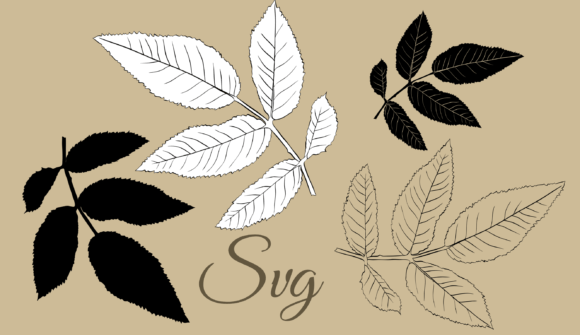
In the evolving landscape of digital and print design, Leaves Minimalism has emerged as a distinct aesthetic choice that prioritizes clarity, elegance, and functional beauty. This approach strips away unnecessary ornamentation to focus on the essential forms of nature, particularly botanical elements. For designers, illustrators, and creative directors, understanding the nuances of this style is crucial when selecting assets for high-impact projects. A prime example of this trend is the exclusive set of five graphic elements representing rose leaves, crafted in a minimalist style and delivered in Scalable Vector Graphics (SVG) format.
This article explores the practical implications of using minimalist rose leaf graphics, helping you determine whether this specific aesthetic aligns with your project goals. We will examine the technical advantages of SVG formats, the psychological impact of minimalism, and the scenarios where these assets provide the most value compared to more complex alternatives.
Understanding Leaves Minimalism in Graphic Design
Leaves Minimalism is not merely about reducing detail; it is about refining visual communication. In the context of botanical illustration, this style involves carefully drawing each leaf with attention to silhouette and flow rather than hyper-realistic texture or shading. The goal is to convey the sophistication and inherent beauty of the flower through simplified lines and shapes.
When evaluating a set of rose leaves designed in this manner, one must look for balance. The images should retain enough detail to be recognizable as rose leaves—characterized by their serrated edges and compound structure—while avoiding visual clutter. This balance ensures that the graphics remain versatile across various media, from small web icons to large-format posters.
Technical Advantages of SVG Format
A critical consideration in selecting digital assets is the file format. The rose leaf set in question is presented in SVG format, which offers significant benefits over raster images like JPEG or PNG. SVGs are vector-based, meaning they use mathematical equations to define shapes rather than a grid of pixels. This ensures flawless quality at any size.
- Scalability: You can resize the leaves from a favicon to a billboard without any loss of resolution or sharpness.
- File Size Efficiency: Minimalist SVGs are typically lightweight, contributing to faster loading times on websites and better performance in mobile applications.
- Editability: Designers can easily modify colors, strokes, and fills within design software, allowing for seamless integration into existing brand palettes.
For web designers and developers, these technical traits make minimalist SVGs a pragmatic choice for maintaining site speed and visual consistency.
Why Choose Minimalist Rose Leaves?
There are several reasons why a creative professional might prioritize this specific style. First, minimalism conveys a sense of modern elegance and sophistication. In branding, this can translate to perceptions of luxury, cleanliness, and professionalism. Second, the simplicity of the design allows it to function effectively as a supporting element rather than a distraction. When used in cards, posters, or illustrations, these leaves frame content without overwhelming it.
Furthermore, the universal appeal of roses combined with a contemporary minimalist treatment creates a timeless aesthetic. Unlike trendy, overly stylized graphics that may date quickly, clean line art tends to remain relevant longer, offering better long-term value for marketing materials and corporate identity systems.
Ideal Use Cases and Applications
Determining whether this asset set fits your needs requires analyzing your specific application. The versatility of these five graphic elements makes them suitable for a wide range of projects:
- Web Design: Use as decorative dividers, background patterns, or icons for beauty, wellness, or lifestyle blogs.
- Print Media: Ideal for wedding invitations, greeting cards, and business stationery where subtle elegance is preferred.
- Packaging Design: Suitable for cosmetic or organic product labels that require a clean, natural look.
- Social Media Graphics: Effective for creating cohesive visual themes on platforms like Instagram or Pinterest.
In these contexts, the Leaves Minimalism approach enhances readability and user experience by providing visual breathing room. The careful detailing ensures that even when scaled down, the essence of the rose leaf remains intact, preserving the intended emotional connection with the audience.
Tradeoffs and Considerations
While minimalist designs offer numerous benefits, they are not universally appropriate. It is important to recognize the tradeoffs involved. Minimalist graphics rely heavily on negative space and precise line work. If placed against a busy or low-contrast background, they may lose visibility. Therefore, successful implementation requires thoughtful layout design and adequate contrast management.
Additionally, if your project demands a high degree of realism or photographic texture, minimalist vectors will not suffice. For instance, a scientific botanical journal or a hyper-realistic advertising campaign might require detailed raster illustrations or photographs rather than stylized vectors. In such cases, the abstraction inherent in minimalism could be perceived as a lack of detail rather than a stylistic choice.
Comparing Alternatives
When evaluating design assets, it is helpful to compare minimalist SVGs with other options. Raster images (PNG/JPG) offer rich color gradients and textures but suffer from pixelation when resized. Complex vector illustrations provide more detail but can result in larger file sizes and visual clutter. Hand-drawn sketches offer uniqueness but may lack the consistency required for corporate branding.
The exclusive set of rose leaves bridges the gap between artistic expression and functional utility. By focusing on the core characteristics of the leaf, it avoids the heaviness of complex illustrations while maintaining more character than generic geometric shapes. This makes it a strong middle ground for projects that need to feel organic yet polished.
Making the Right Decision
To decide if this minimalist rose leaf set aligns with your goals, consider the following questions:
- Does your brand identity value simplicity and modernity?
- Do you need assets that perform well across both digital and print mediums?
- Is your design layout already complex, requiring simple elements to balance the composition?
If the answer to these questions is yes, then investing in high-quality minimalist SVGs is a strategic move. The ability to customize colors and scale infinitely provides flexibility that static images cannot match. Moreover, the timeless nature of the design ensures that your materials will not appear outdated in the near future.
However, if your project relies on vibrant, photorealistic imagery or targets an audience that prefers ornate, traditional aesthetics, you may want to explore more detailed illustration styles. Always ensure that the visual language of your assets matches the expectations of your target audience.
Conclusion
Leaves Minimalism represents a thoughtful approach to botanical design, emphasizing form and function over excessive decoration. The exclusive set of five rose leaf SVGs exemplifies this philosophy, offering designers a versatile tool for enhancing web designs, illustrations, cards, and posters. By understanding the technical benefits of SVGs and the aesthetic principles of minimalism, you can make informed decisions that elevate your creative projects. Whether you are aiming for understated elegance or modern simplicity, these carefully drawn elements provide a sophisticated foundation for your visual storytelling.